Political Room
Nelson Mandela was the face of the protests in South Africa while the other three options in the question indicate the presidents of South Africa after the freedom movement. All are elected members of the African National Congress.
Mandela fought against apartheid, a system of white supremacy in South Africa. Under apartheid, everyone was put into one of four racial categories: “white/European,” “black,” “coloured,” or “Indian/Asian.” Non‐white South Africans were second‐class citizens with little or no political power
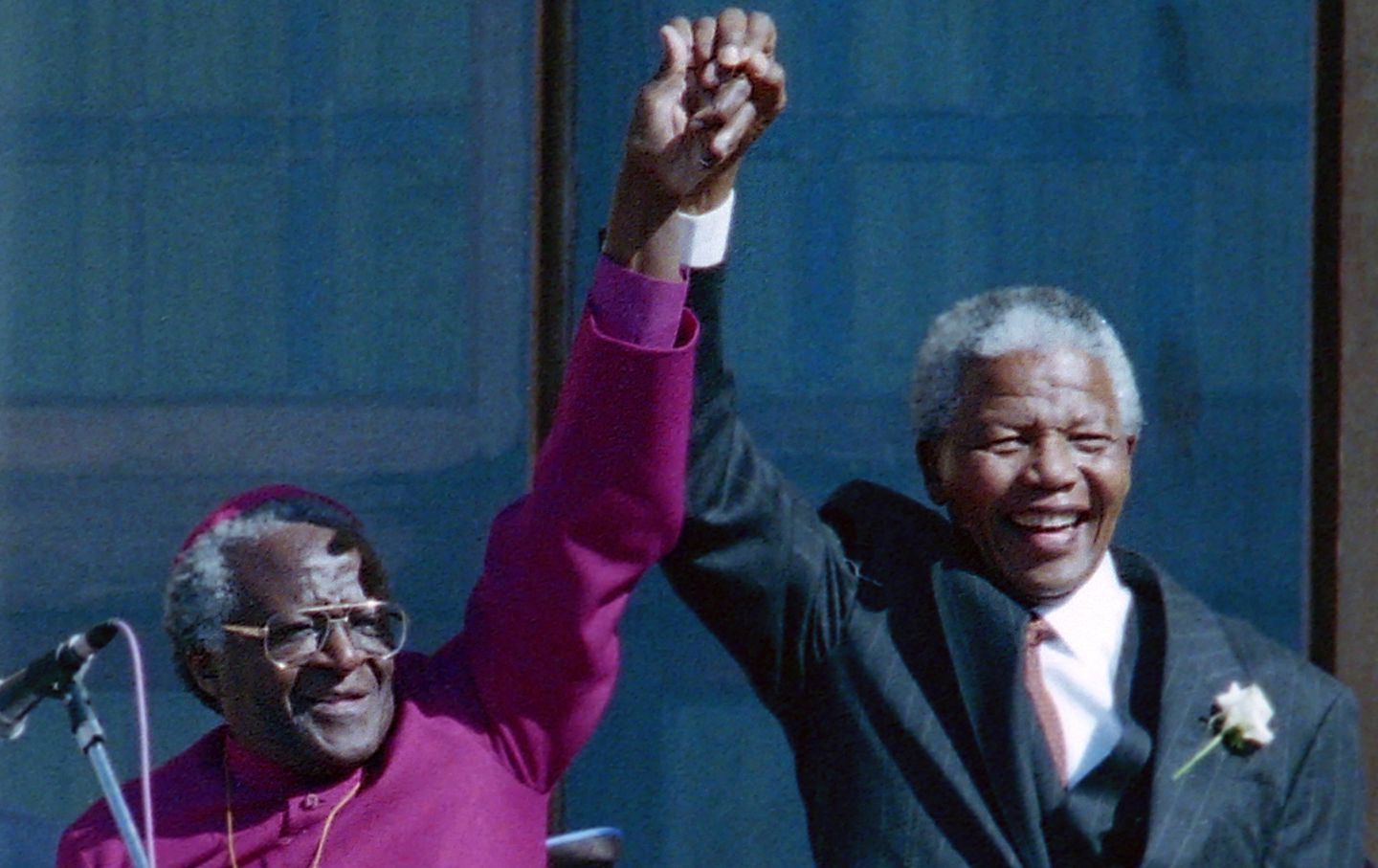
Nelson Mandela walked out of prison after 27 years on February 11, 1990.
The impact of Mandela’s release reverberated throughout South Africa and the world. After speaking to throngs of supporters in Cape Town where he pledged to continue the struggle, but advocated peaceful change, Mandela took his message to the international media.
After Prime Minister de Klerk agreed to democratic elections for the country, the United States lifted sanctions and increased foreign aid, and many of the U.S. companies who disinvested in the 1980s returned with new investments and joint ventures. In April 1994, Nelson Mandela was elected as South Africa’s first black president.
Nkosi sikelel’ AfrikaMaluphakanyisw’ uphondo lwayo,Yizwa imithandazo yethu,Nkosi sikelela, thina lusapho lwayo.Morena boloka setjhaba sa heso,O fedise dintwa le matshwenyeho,O se boloke, O se boloke setjhaba sa heso,Setjhaba sa South Afrika – South Afrika.Uit die blou van onse hemel,Uit die diepte van ons see,Oor ons ewige gebergtes,Waar die kranse antwoord gee,Sounds the call to come together,And united we shall stand,Let us live and strive for freedom,In South Africa our land.